June 8, 2026
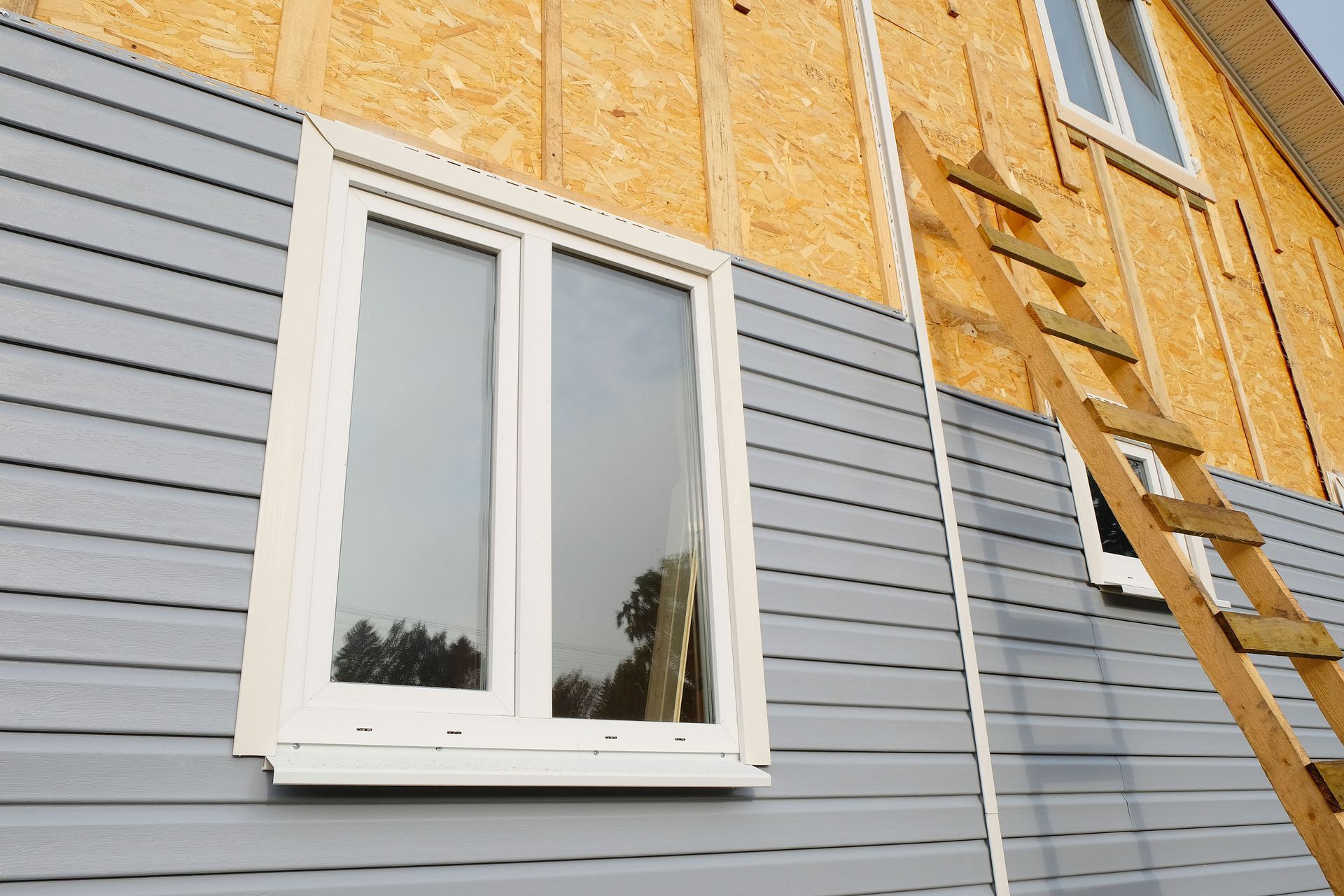
Your home’s siding serves as one of its most important protective features. It shields the structure from weather, moisture, pests, and temperature fluctuations while also contributing significantly to curb appeal. Although siding is designed to last for many years, it is not immune to wear and tear. Exposure to sunlight, rain, wind, and changing temperatures can gradually reduce its effectiveness and appearance.
Because siding problems often develop slowly, many homeowners do not realize there is an issue until damage becomes more extensive. Recognizing the warning signs early can help prevent costly repairs and preserve the overall condition of the property. Working with experienced siding contractors allows homeowners to identify concerns and determine whether replacement is the most practical solution.
Visible Cracks, Chips, and Surface Damage
One of the clearest indications that siding may need replacement is visible physical damage. Cracks, chips, holes, and broken sections can develop over time due to weather exposure, impact from debris, or the natural aging process.
Even seemingly minor damage can create pathways for moisture and pests to enter areas behind the siding. Once water penetrates beneath the exterior surface, it can affect insulation, wall systems, and structural materials. What initially appears to be a cosmetic concern can eventually become a much larger issue if left unaddressed.
Damaged sections may also continue to deteriorate as they are exposed to repeated cycles of heat, moisture, and changing weather conditions. In some cases, isolated repairs may be sufficient. Professional siding contractors can evaluate the extent of the damage and determine whether repair or full replacement offers the best long-term value.
Warping, Buckling, or Loose Panels
Siding should remain securely attached to the home and maintain a smooth, consistent appearance. When panels begin to warp, buckle, bow outward, or pull away from the structure, it is often a sign that deeper problems exist.
Warping commonly occurs when moisture becomes trapped behind siding materials. Over time, this moisture can weaken the material and cause it to lose its original shape. Extreme weather conditions and prolonged exposure to sunlight may also contribute to distortion.
Because warped siding often indicates underlying moisture concerns, professional evaluation is important. Experienced siding contractors can identify the source of the problem and recommend solutions that address both the visible damage and the conditions contributing to it.
Peeling Paint and Interior Moisture Concerns
Many homeowners assume peeling paint is simply a cosmetic issue. However, peeling paint on exterior walls or unusual moisture problems inside the home can sometimes signal siding failure.
When siding is no longer performing effectively, moisture may begin to enter areas that should remain protected. This can lead to bubbling paint, water stains, peeling wallpaper, increased humidity, or other signs of moisture intrusion.
Interior moisture problems should never be ignored because they can affect more than just appearance. Persistent moisture may contribute to mold growth, damage building materials, and create unhealthy indoor conditions.
Determining the source of moisture is not always straightforward. Roofing issues, plumbing leaks, and ventilation problems can produce similar symptoms. For this reason, homeowners often benefit from consulting qualified siding contractors who can evaluate whether aging siding is contributing to the problem.
Rising Energy Bills Throughout the Year
Many homeowners pay close attention to utility costs but may not immediately connect higher energy bills with aging siding. As exterior materials deteriorate, they can become less effective at preventing unwanted air movement between indoor and outdoor spaces.
Small gaps, cracks, and weakened sections may allow conditioned air to escape while permitting outside air to enter the home. This forces heating and cooling systems to work harder to maintain comfortable indoor temperatures.
Improving the home’s exterior envelope can contribute to greater energy efficiency. In fact, according to Today’s Homeowner, replacing aging siding may improve airtightness by nearly 10% and reduce heating expenses by about 8%.
While utility costs can rise for many reasons, deteriorating siding is one factor that should not be overlooked. Homeowners who notice increasing energy bills despite normal usage patterns may benefit from having siding contractors assess the condition of their exterior surfaces.
Fading, Discoloration, and Reduced Curb Appeal
Over time, constant exposure to sunlight and environmental conditions can cause siding to lose its original color and finish. While some fading is expected as materials age, excessive discoloration often suggests that the siding’s protective qualities are beginning to decline.
Faded siding can significantly impact a home’s appearance and reduce its overall curb appeal. Uneven coloring, chalky residue, staining, and weathered surfaces may make the property appear older and less well-maintained.
Modern siding products are designed to retain their appearance for extended periods. When significant fading occurs, it may indicate that the material is approaching the end of its service life.
Beyond aesthetics, visible deterioration can signal that the siding is becoming less capable of protecting the home from environmental exposure. Professional siding contractors can determine whether cosmetic concerns are purely surface-level or evidence of deeper material degradation.
Investing in updated siding can refresh the appearance of the property while improving long-term protection.
Frequent Repairs and Ongoing Maintenance
Every exterior material requires some maintenance throughout its lifespan. However, there comes a point when frequent repairs become less practical than replacement.
Homeowners who repeatedly repair damaged sections, repaint surfaces, replace loose panels, or address recurring issues may be spending significant time and money without achieving lasting results. Temporary fixes can help in the short term, but they may not resolve underlying deterioration.
As siding ages, maintenance demands often increase. Small issues become more frequent, and repair costs can begin to add up over time. In many situations, replacing aging materials provides a more reliable and cost-effective long-term solution.
Modern siding products often offer enhanced durability, weather resistance, and lower maintenance requirements. Consulting siding contractors can help homeowners compare the costs of ongoing repairs with the benefits of investing in updated materials designed for lasting performance.
Making proactive improvements can reduce future maintenance demands and provide greater peace of mind.
Pest Activity and Hidden Structural Damage
Pests are another warning sign that siding may no longer be providing adequate protection. Small cracks, gaps, and openings can create entry points for insects, rodents, and other unwanted visitors.
Once pests gain access behind siding, they may cause additional damage that remains hidden from view. Some pests can affect insulation, wall materials, and other structural components, leading to more extensive repairs if the problem is not addressed.
Homeowners may notice signs such as insect activity, nesting materials, unusual sounds within walls, or visible damage near exterior surfaces. In some cases, the full extent of the problem is not discovered until a professional inspection is performed.
Aging siding that has become vulnerable to pest intrusion often requires more than simple repairs. Qualified siding contractors can identify damaged areas, evaluate underlying conditions, and recommend replacement options that help restore the home’s protective barrier.
Preventing pests from accessing the structure is an important part of maintaining a safe and durable exterior.
Siding plays a critical role in protecting a home while contributing to comfort, efficiency, and curb appeal. When warning signs such as cracking, warping, moisture problems, rising energy costs, fading, frequent repairs, or pest activity begin to appear, it may be time to consider replacement.
Ignoring these issues can allow damage to progress and potentially affect other parts of the home. Identifying problems early and seeking professional guidance can help homeowners make informed decisions that support the long-term health of their property.
A thorough evaluation provides valuable insight into the condition of the siding and helps determine the most appropriate path forward. By addressing concerns before they worsen, homeowners can better protect their investment and maintain confidence in the performance of their home’s exterior.
If your home’s exterior is showing signs of wear, now is the time to take action. At Reliable Exteriors, we can work together to protect our homes with professional guidance, quality materials, and dependable installation solutions. Contact us today to learn how we can improve the appearance, durability, efficiency, and long-term value of your property.